Gantry Crane
Overload Protection Solutions in Rubber Tyred Container Gantry Cranes
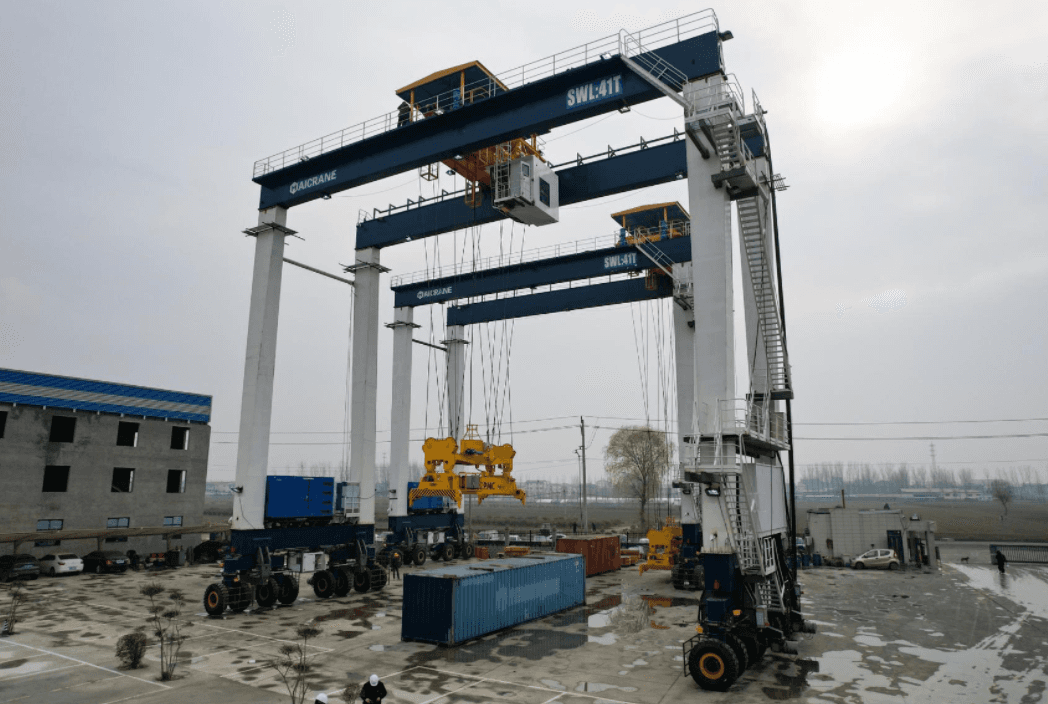
Rubber Tyred Container Gantry (RTG) cranes are widely used in modern container terminals for stacking, transferring, and handling standardized shipping containers. As terminal productivity increases and container weights become more variable, ensuring safe lifting operations has become a critical engineering and operational priority.
One of the most important safety systems in RTG crane design is the overload protection system. This system is responsible for preventing the crane from lifting loads that exceed its rated capacity, thereby protecting structural components, hoisting mechanisms, and ensuring the safety of personnel and cargo.
In today’s high-performance port environment, overload protection is no longer a simple mechanical limiter. It has evolved into a sophisticated, multi-layered safety architecture combining sensors, electronic controls, PLC systems, and intelligent monitoring technologies.
This article explores the key overload protection solutions used in RTG rubber tyred gantry cranes, how they work, their technical components, benefits, and future development trends.
Why Overload Protection Is Critical in RTG Cranes
RTG cranes operate under demanding working conditions, often handling thousands of container lifts per day. Although containers are standardized, actual loads can vary significantly due to:
Non-uniform cargo distribution
Misdeclared container weights
Dynamic lifting forces
Wind and environmental impacts
Operator errors during handling
Without effective overload protection, RTG cranes may experience:
Structural deformation of the main girder
Damage to hoisting wire ropes and winches
Premature wear of mechanical components
Increased risk of crane tipping or instability
Severe safety hazards for operators and yard personnel
Therefore, overload protection systems are essential not only for equipment safety but also for operational reliability and regulatory compliance.
Core Principles of Overload Protection Systems
The primary function of an overload protection system is to continuously monitor the lifting load and compare it against the crane’s rated capacity.
When the load approaches or exceeds safe limits, the system responds by:
Issuing warnings
Reducing lifting speed
Restricting further lifting actions
Triggering emergency shutdown if necessary
Modern RTG cranes use dynamic load monitoring rather than static weight measurement, meaning the system evaluates load conditions in real time during all phases of operation.
Main Components of Overload Protection Systems
Overload protection in RTG cranes is achieved through a combination of hardware and software systems working together.
1. Load Cells and Weight Sensors
Load cells are the most fundamental components in overload protection systems.
They are typically installed in:
Hoist rope systems
Sheave blocks
Hook assemblies
Spreader connection points
These sensors measure the actual lifting force and convert it into electrical signals for system analysis.
Advantages include:
High accuracy
Real-time load detection
Reliable performance under heavy duty cycles
Load cells are the primary input for overload decision-making.
2. Wire Rope Tension Monitoring Systems
In many RTG cranes, load measurement is indirectly achieved through wire rope tension monitoring.
This method evaluates:
Tension distribution across ropes
Hoisting force variations
Load imbalance conditions
It is especially useful for detecting uneven loading situations that may not be visible through single-point measurement systems.
3. PLC-Based Control System Integration
The Programmable Logic Controller (PLC) acts as the central intelligence of the overload protection system.
It performs:
Continuous data collection from sensors
Real-time load calculation
Comparison with rated load limits
Execution of safety actions
The PLC ensures immediate system response when overload conditions are detected.
4. Hoisting Motor Current Monitoring
Another widely used overload detection method is monitoring hoisting motor current.
When load increases, motor current also increases proportionally. The system analyzes:
Current draw patterns
Voltage stability
Motor torque behavior
This method acts as a secondary verification layer to enhance system reliability.
5. Spreader Control and Feedback Systems
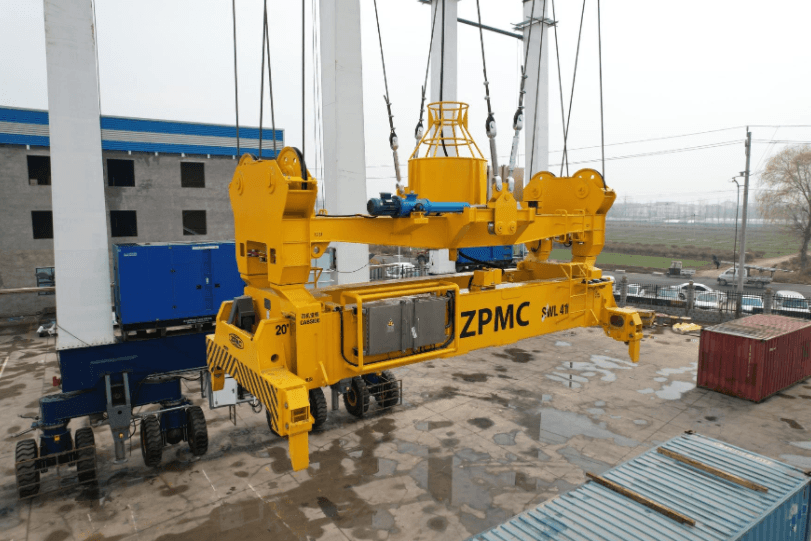
Modern RTG cranes use intelligent spreaders equipped with sensors that monitor:
Twistlock engagement status
Container alignment
Load distribution balance
Mechanical locking conditions
These systems ensure that overload conditions caused by improper engagement are detected early.
Types of Overload Protection Solutions in RTG Cranes
Overload protection systems in RTG container gantry cranes can be categorized into multiple levels based on functionality and complexity.
1. Mechanical Overload Protection
Mechanical systems provide basic physical protection and include:
Torque limiters
Mechanical load limit switches
Safety couplings
These systems act as fail-safe mechanisms and operate independently of electronic control systems.
While simple and reliable, mechanical systems lack precision compared to modern electronic solutions.
2. Electronic Overload Protection Systems
Electronic systems are widely used in modern RTG cranes and provide higher accuracy.
They include:
Digital load sensors
Electronic control modules
Signal processing units
These systems offer:
High precision load measurement
Adjustable safety thresholds
Real-time monitoring and alarms
3. Intelligent Overload Protection Systems
The most advanced systems integrate artificial intelligence and data analytics.
Features include:
Predictive overload detection
Load trend analysis
Adaptive safety thresholds
Machine learning-based anomaly detection
These systems not only detect overload conditions but also predict potential risks before they occur.
How Overload Protection Works During RTG Operations
A typical overload protection cycle in RTG crane operation includes several stages:
Step 1: Load Detection
Sensors measure the weight or tension of the lifted container in real time.
Step 2: Data Processing
The PLC or control system filters and processes incoming data.
Step 3: Load Comparison
The system compares measured load against:
Rated lifting capacity
Safety margin thresholds
Dynamic load factors
Step 4: Warning Activation
If the load approaches safe limits, the system activates:
Visual alarms in operator cabin
Audible warning signals
Dashboard notifications
Step 5: Speed Limitation
If the load continues to increase or remains near the limit, the system reduces:
Hoisting speed
Acceleration rate
Step 6: Emergency Shutdown
If overload is confirmed, the system:
Stops hoisting immediately
Locks motion controls
Activates safety interlocks
This multi-stage response ensures both safety and operational continuity.
Benefits of Advanced Overload Protection Systems
1. Improved Structural Safety
By preventing excessive loading, the system protects:
Main girder structure
Hoisting machinery
Wire ropes and pulleys
2. Reduced Equipment Wear
Controlled lifting operations reduce mechanical stress and extend component lifespan.
3. Enhanced Operational Safety
Overload protection minimizes the risk of:
Crane tipping
Load dropping
Structural failure accidents
4. Increased Operational Efficiency
Stable load management reduces downtime caused by equipment failure or emergency repairs.
5. Compliance with Safety Standards
Modern RTG cranes must comply with international safety regulations, and overload protection systems are a key requirement.
Integration with Other RTG Safety Systems
Overload protection does not operate independently. It is integrated with multiple crane safety systems, including:
Anti-sway systems
Anti-collision systems
Hoisting limit switches
Emergency braking systems
PLC safety logic architecture
This integrated approach ensures comprehensive operational safety.
Common Challenges in Overload Protection Systems
Despite their effectiveness, these systems face several challenges:
Sensor Calibration Issues
Inaccurate calibration can lead to false alarms or missed detections.
Environmental Interference
Temperature, humidity, and vibration may affect sensor accuracy.
Dynamic Load Variations
Sudden movement or wind conditions can cause fluctuating load readings.
System Integration Complexity
Combining multiple monitoring systems requires precise synchronization.
Future Trends in Overload Protection Technology
The future of RTG overload protection is moving toward intelligent, predictive systems.
Key developments include:
AI-driven load prediction models
Cloud-based monitoring platforms
Digital twin simulation of crane loads
5G-enabled real-time data transmission
Fully autonomous safety decision systems
These innovations will transform overload protection from reactive safety control into proactive risk prevention.
Conclusion
Overload protection systems are a fundamental safety component in Rubber Tyred Container Gantry Cranes. As container terminals become more automated and high-capacity operations increase, the importance of reliable load monitoring and intelligent safety control continues to grow.
Modern systems combine mechanical, electronic, and AI-based technologies to provide multi-layer protection against overload conditions. This not only protects crane structures and components but also ensures safe, efficient, and continuous terminal operations.
In the future, intelligent overload protection systems will play an even more important role in enabling smart ports and fully automated RTG crane operations, ensuring that safety and productivity evolve together in modern container handling environments.